Hands-Free Flap Retraction
When I’m performing a dental procedure, I want to see what I’m doing—and so do my nurses. That’s why I’ve fallen in love with Optragate. Some tools you stumble across and instantly know: this changes everything.
Why I’m Obsessed with Optragate
“But I’ve got great retraction already…”
You might say,
“My nurse is a legend at retraction, and when she’s off, I use autoclaveable devices.”
Brilliant—carry on.
But for everyone else: this is the secret to keeping lips open and cheeks retracted without extra effort or extra staff.
How to Place It Like a Pro
It takes about 30 minutes to learn how to size and place an Optragate.
Top tip: ask the patient to lick their lips just before placement.
Get the sizing right, and it rarely flies out when they bite down or swallow.
Bonus: play “Guess the Phrase” with your team while they wear it. You’ll bond and learn.
When We Use It
We reach for Optragate whenever we need an extra pair of hands:
- 📸 Photography
- 🦷 Intra-oral scanning
- 🛠️ Restorative work (when rubber dam isn’t an option)
- 🧠 CBCT scans
- 🧵 Oral surgery (yes, with caveats)
Surgical Use: Let’s Talk Sterility
Yes, it’s not sterile.
Yes, you can soak it in CHX.
And yes, the access it gives often outweighs the risks—especially when the alternative is collapsing tissues or a sweaty nurse.
Suturing improves dramatically when you can see what you’re doing.
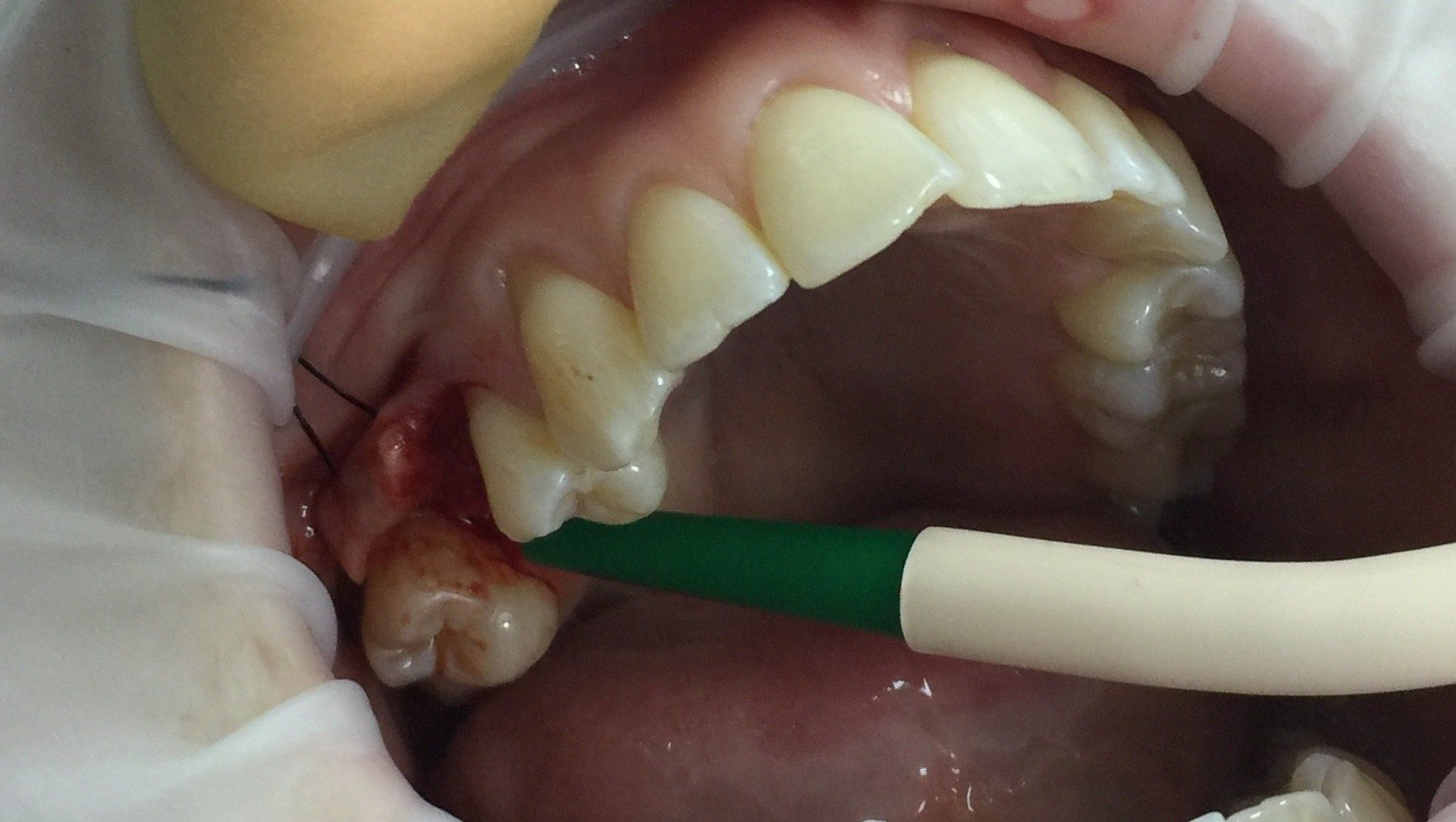
Implant Example: 20 Minutes, Start to Finish
Raise a small flap.
Place a holding suture.
Insert the Optragate.
We even trap the suture tails between the Optragate and the patient—creating soft tension that keeps the flap retracted. If you’re using surgical guides, this prevents the flap sneaking under the guide hole and getting chewed up by twist drills.
Final Thought
Optragate isn’t sterile—but imagine if someone made a sterile version.
We’d use it for everything.
I’d love to hear your thoughts, hacks, and whether you think someone should start manufacturing a surgical-grade version.
ID Blog